
Carbon Steel
High-strength, durable, and cost-effective, carbon steel is used for a wide variety of applications. Used for general structural purposes, it is also used for manufacturing and energy industries as tools and mechanical components. If you’re considering carbon steel for your next project, we have a great selection of bar, tube, angle, and sheet to get you started.
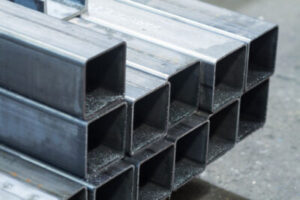
Carbon Steel Products
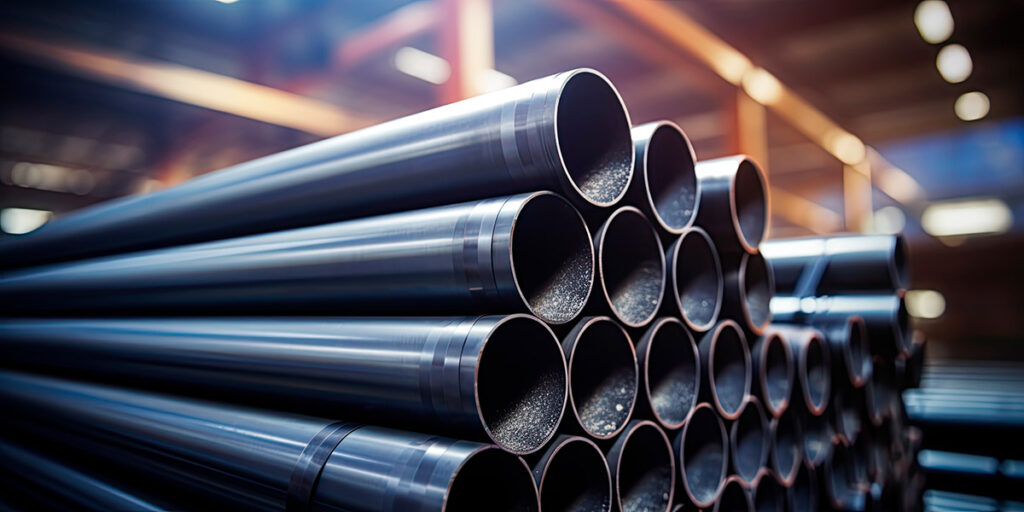
Classification of Carbon Steel
Carbon steel is a category of steel where carbon is the primary alloying element. It’s available in three grades: low, medium, and high-carbon steel. Each offers distinct benefits based on carbon content and mechanical properties.
| Grade | Percentage of Carbon |
|---|---|
| Low Carbon Steel | Up to 0.30% |
| Medium Carbon Steel | 0.30–0.60% |
| High Carbon Steel | 0.60-1% |
Low Carbon Steel
Carbon content in low-carbon steel is limited to 0.30%. Often referred to as mild steel, it is highly weldable and machinable due to its low carbon content. In stores like Alcobra, it’s labeled with an AISI 1018 steel grade. Most are produced with less than 0.10% carbon as flat-rolled products, such as sheets and strips. For structural plates used for seamless tubes or boiler plates, the carbon content is increased up to 0.30%.
Medium Carbon Steel
Medium-carbon steels have a carbon content between 0.30% to 0.60%. With their increased hardness, medium-carbon steels are used for more structural and mechanical applications. It is an AISI 1045 steel with good weldability and machinability. Medium-carbon steels are used for gears, axles, and crankshafts, while higher-carbon grades (0.40-0.60%) are used for rail parts, from rail to railway wheels.
High Carbon Steel
High-carbon steel has a carbon content of 0.60% to 1.00%. Because of their high carbon content, they are the strongest type of carbon steel but less ductile. They are suitable for high-stress applications, including agricultural parts (mowers, scraper blades, harrow teeth), cutting tools (hacksaw blades, knives, razors), and wires (wire ropes, piano strings, bridge suspension cables).
Carbon Steel Properties
Carbon steel properties depend on the level of carbon content. As the carbon percentage increases, strength improves, while ductility and malleability decrease. This makes carbon steel a highly versatile material across structural, industrial, and manufacturing applications.
Surface Hardness
A carbon steel exterior can be hardened, leaving the interior tough yet ductile. This property makes carbon steel suitable for long-term durability in parts designed to reduce friction, dampen vibration, and support loads, such as bushings, pins, and wear surfaces.
Cost-Effective Performance
Because it’s composed primarily of iron and carbon, carbon steel is more affordable than alloy steels that incorporate pricier elements like chromium or nickel. This makes it an economical solution for industries that need strong, reliable materials without overspending.
High Strength-to-Weight Ratio
One of carbon steel’s most significant advantages is its impressive strength, particularly in high-carbon variants. While any material under extreme pressure can fail, carbon steels offer superior load-bearing capabilities compared to traditional steels. This makes them a smart choice for structural frameworks, mechanical components, and pressure-bearing equipment.
Heat Treatable
Medium-carbon steel and high-carbon steel respond well to heat treatment, allowing for enhanced hardness, tensile strength, and wear resistance. These characteristics are vital in producing parts like axles, gears, and blades that must endure high stress and temperature variations.
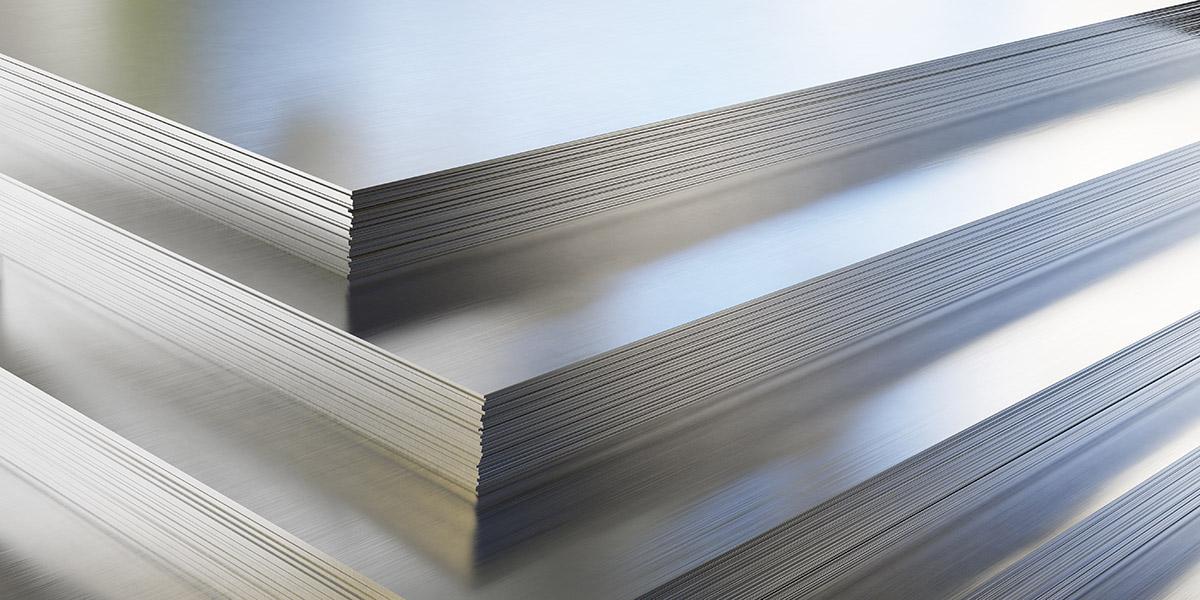
Trustworthy Carbon Steel Supplier
Alcobra Metals is a national distributor of specialty metals committed to fast, reliable fulfillment. Per our shipping policy, orders placed before 3 PM PST, Monday through Friday, are shipped within 24 hours via UPS. This ensures that your carbon steel materials arrive quickly and securely.
Shop Carbon Steel Online with More Convenience
At Alcobra Metals, we eliminate the wait for quotes—allowing you to shop carbon steel online with speed and confidence. Whether you’re ordering a single flat bar or multiple tubes, we stand by our promise: no order is too small.
Every purchase, regardless of size, receives prompt handling and attention. Our online storefront makes it easy to choose the carbon steel products you need, when you need them. Start shopping today and experience a faster, more efficient metal supply solution.
Carbon Steel FAQs
Does Carbon Steel Rust?
Carbon steel rusts when exposed to moisture and air. But galvanization, epoxy, paint, and other anti-rust coatings can prevent corrosion. Alloying carbon steel with copper can also enhance rust resistance, making it more suitable for other applications.
Can Carbon Steel be Used for High-Temperature Applications?
Carbon steel can be used for high-temperature applications, depending on its carbon content and alloying elements. Low-carbon steel is used in applications where moderate temperatures are involved. Higher carbon content and alloying elements like chromium can enhance high-temperature properties in carbon steel. For extremely high temperatures, specialized heat-resistant alloys are recommended.
What is the Difference Between Carbon Steel and Stainless Steel?
Carbon steel is made of iron and carbon. Stainless steel is an alloy of iron, carbon, and at least 10% chromium, which forms a passive oxide layer that provides excellent corrosion resistance. See our stainless steel products to learn more.
Is Carbon Steel Non-Toxic?
Unlike some metals, carbon metals do not leach harmful chemicals when exposed to high heat or acidity. Instead, carbon steel remains stable, making it non-toxic and safe for use in cookware and food processing. However, carbon steel must be maintained to prevent rusting or contamination.
What is the Melting Point of Carbon Steel?
The melting point of carbon steel depends on its composition. High-carbon steel has a slightly lower melting point than low to medium-carbon steel. Generally, its melting point ranges from 2,500°F to 2,800°F.